Atlas proves operating depth.
The older system already covers a wide field-sales operation. Its value is the amount of real workflow knowledge inside it.
Atlas and Icarus are two generations of the same ERP effort. Atlas holds proven operating workflows. Icarus reorganizes the product for many companies and industries. The practical question is how to turn both into one product that can be rebranded, completed, and resold.
Read the acquisition thesis
This is not a choice between two subscriptions. It is a decision about how two codebases should work inside one acquisition.
The older system already covers a wide field-sales operation. Its value is the amount of real workflow knowledge inside it.
The newer system was organized for many companies, shared infrastructure, and controlled customer variation.
A credible plan uses Icarus as the potential SaaS base and Atlas as operational proof and a source of selected workflows. Diligence has to prove what can move.
Use Icarus as the candidate multi-company product base. Use Atlas as working evidence and a source of selected domain workflows. Do not promise a wholesale merge. Prove transfer effort in diligence.
Feature lists blur the useful distinction. Atlas shows what the team has already solved. Icarus shows how the next product expects to change from customer to customer.
Atlas grew around a field-sales business and carries broad working scope. It is the richer reference for how real departments use the ERP day to day.
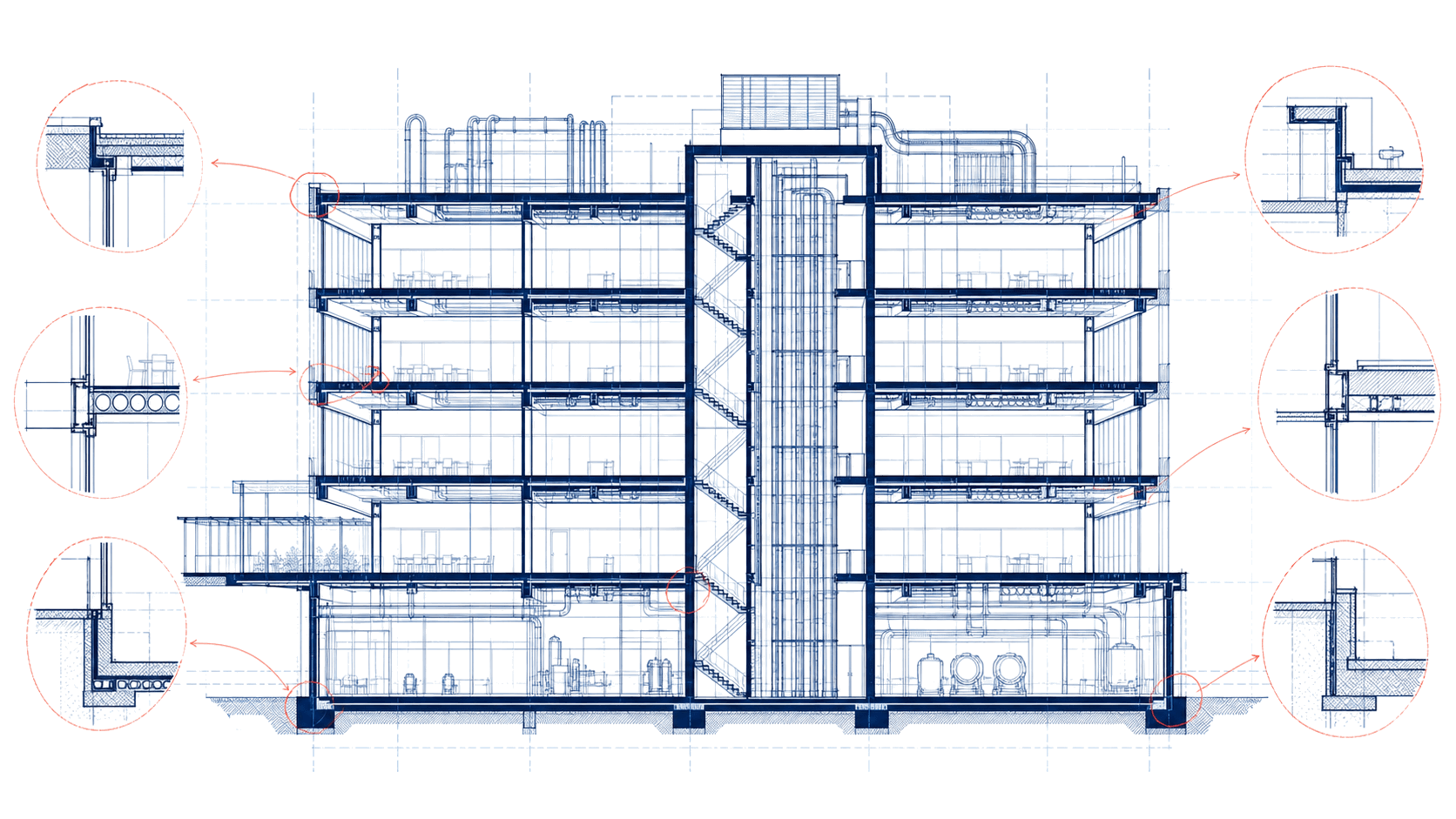
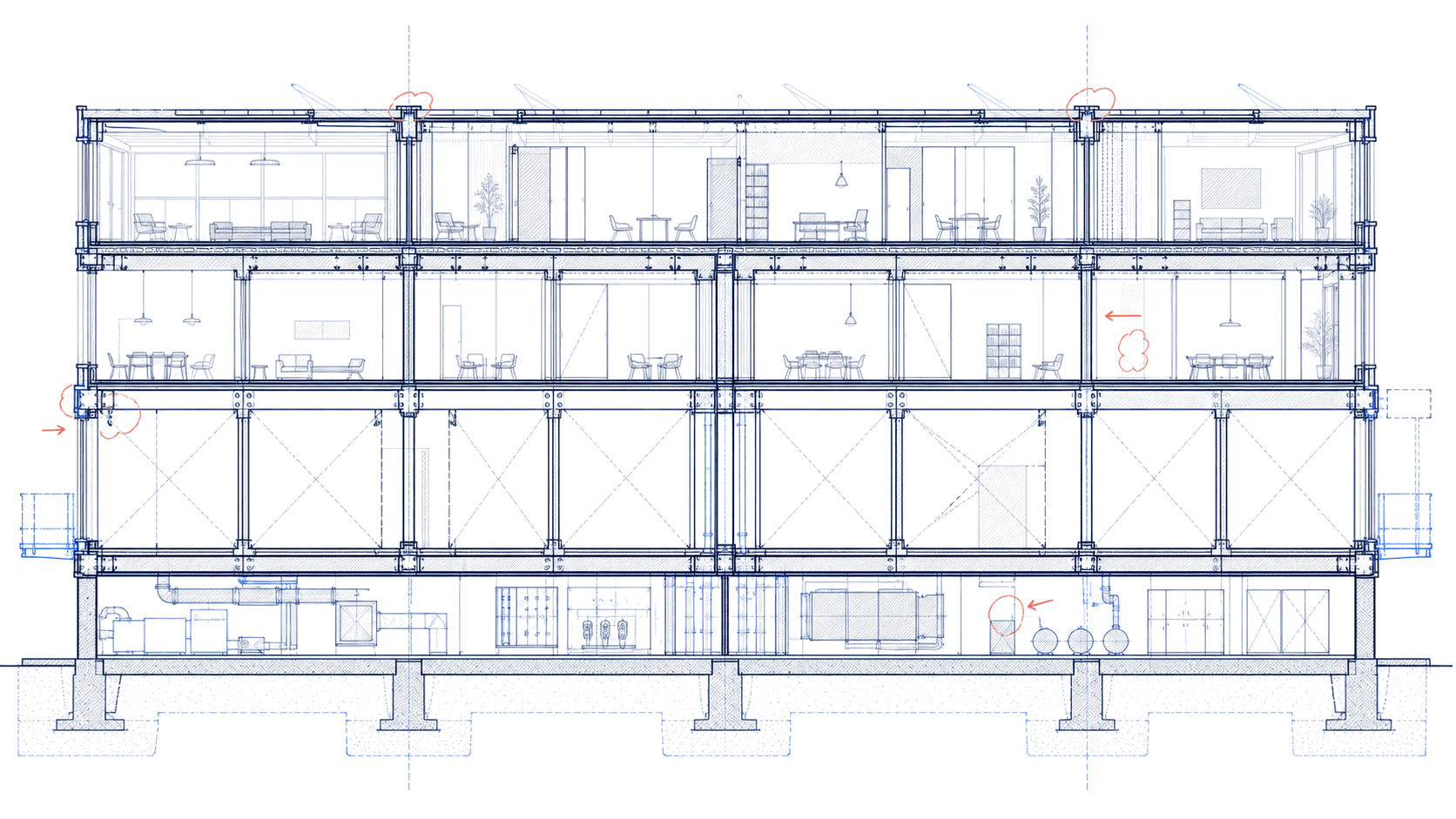
Icarus is younger, but it starts from the commercial shape in the SOW. Many organisations share one product while configuration, industry rules, and bespoke experience live in separate layers.
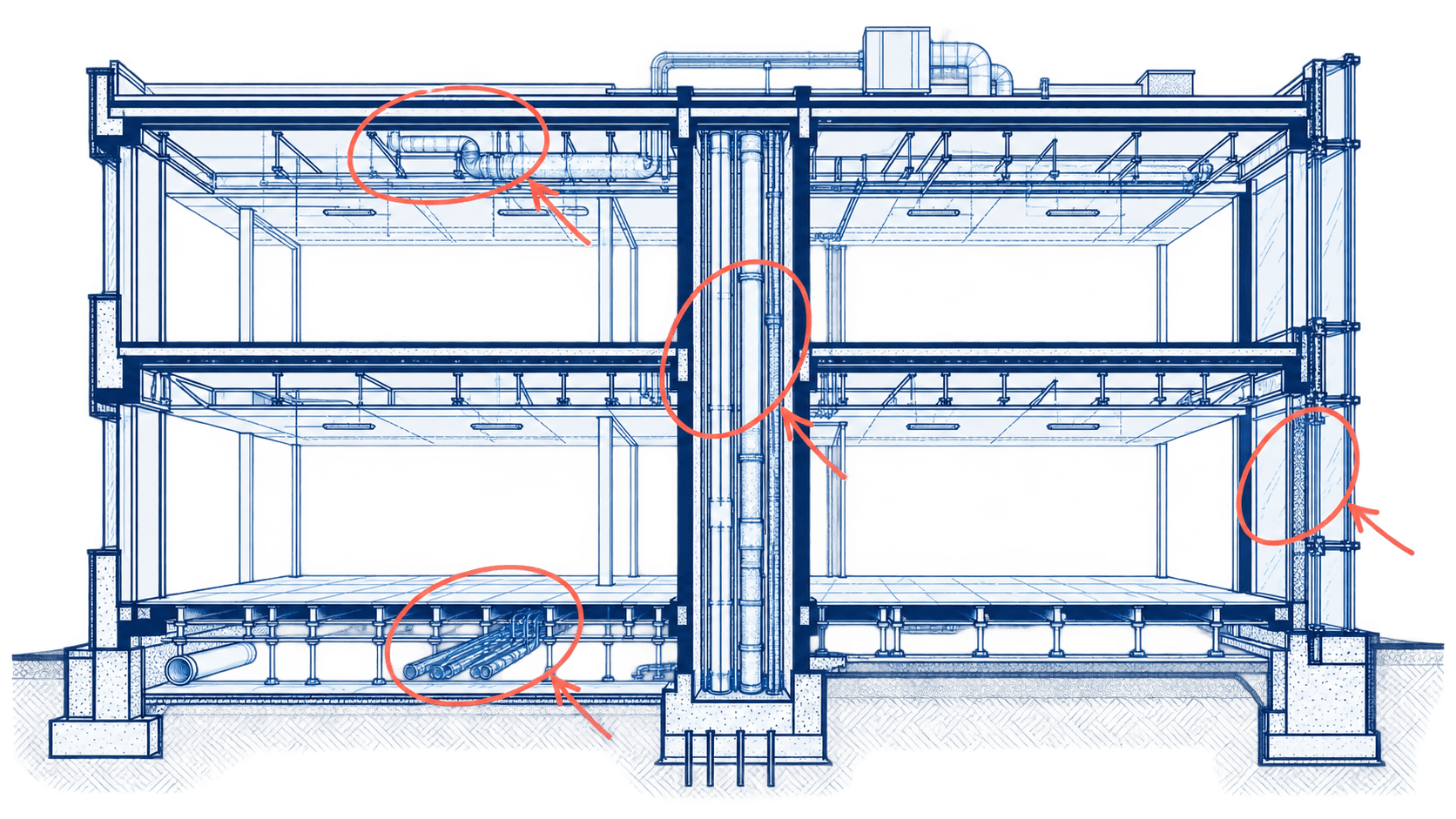
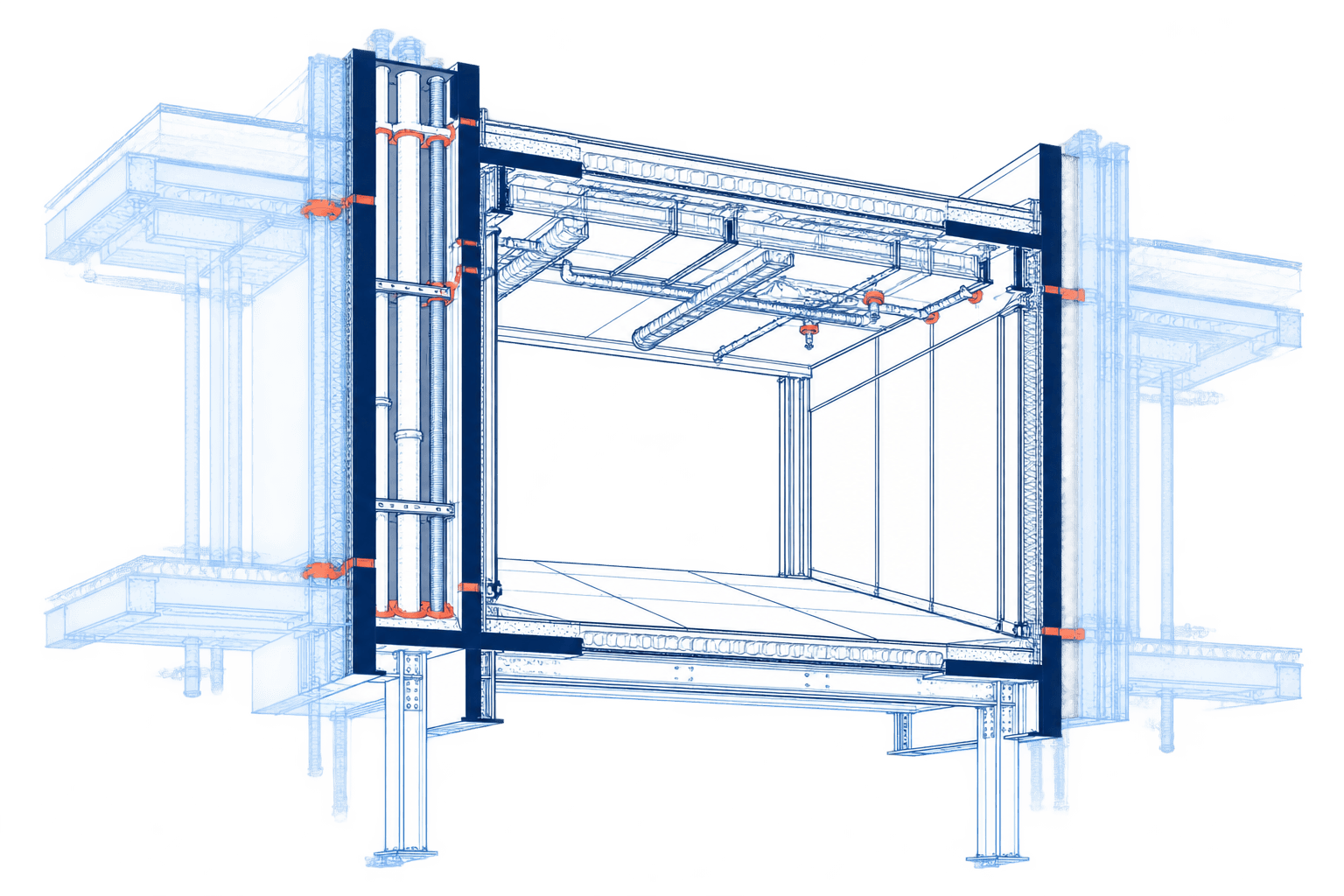
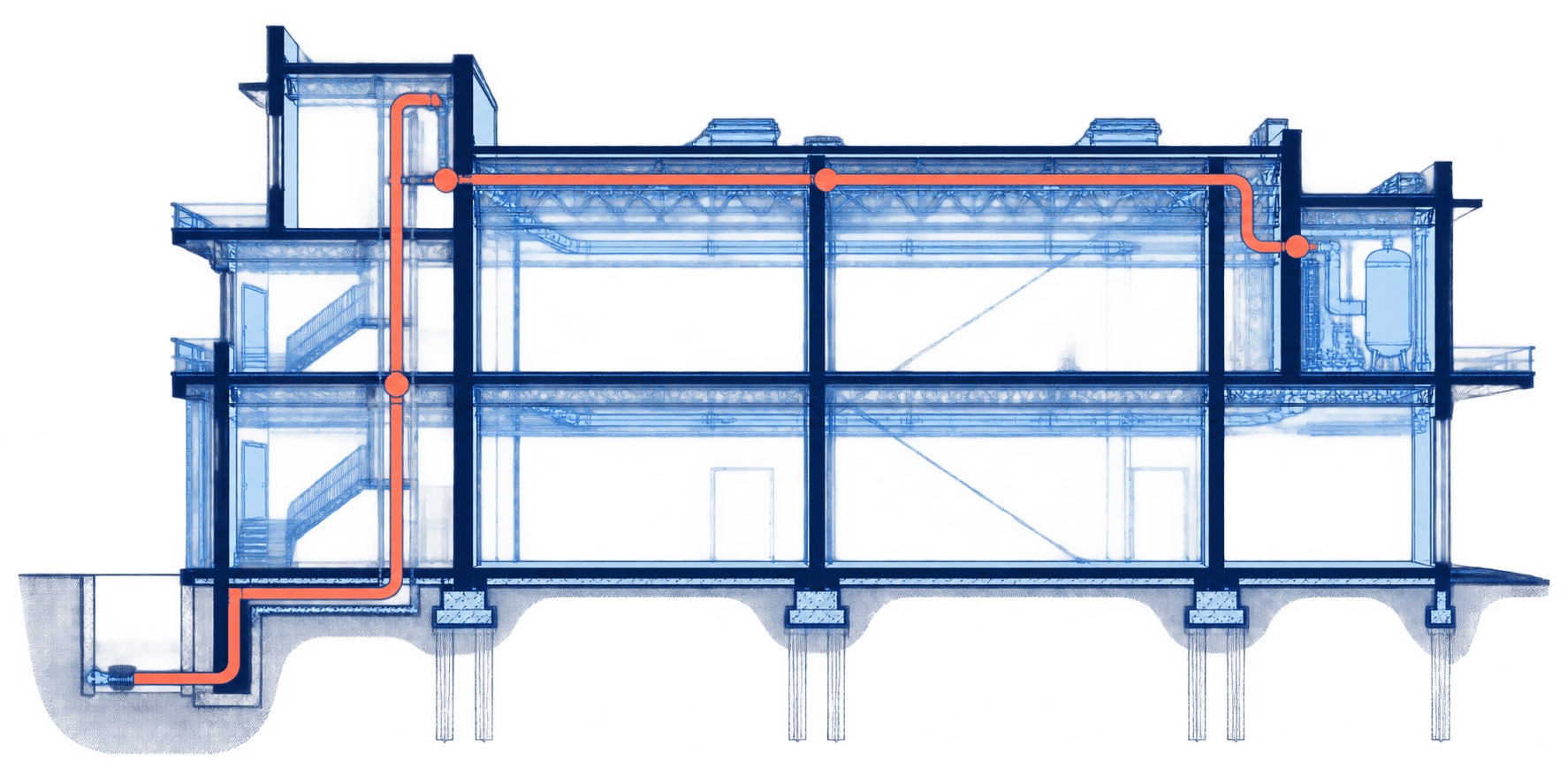
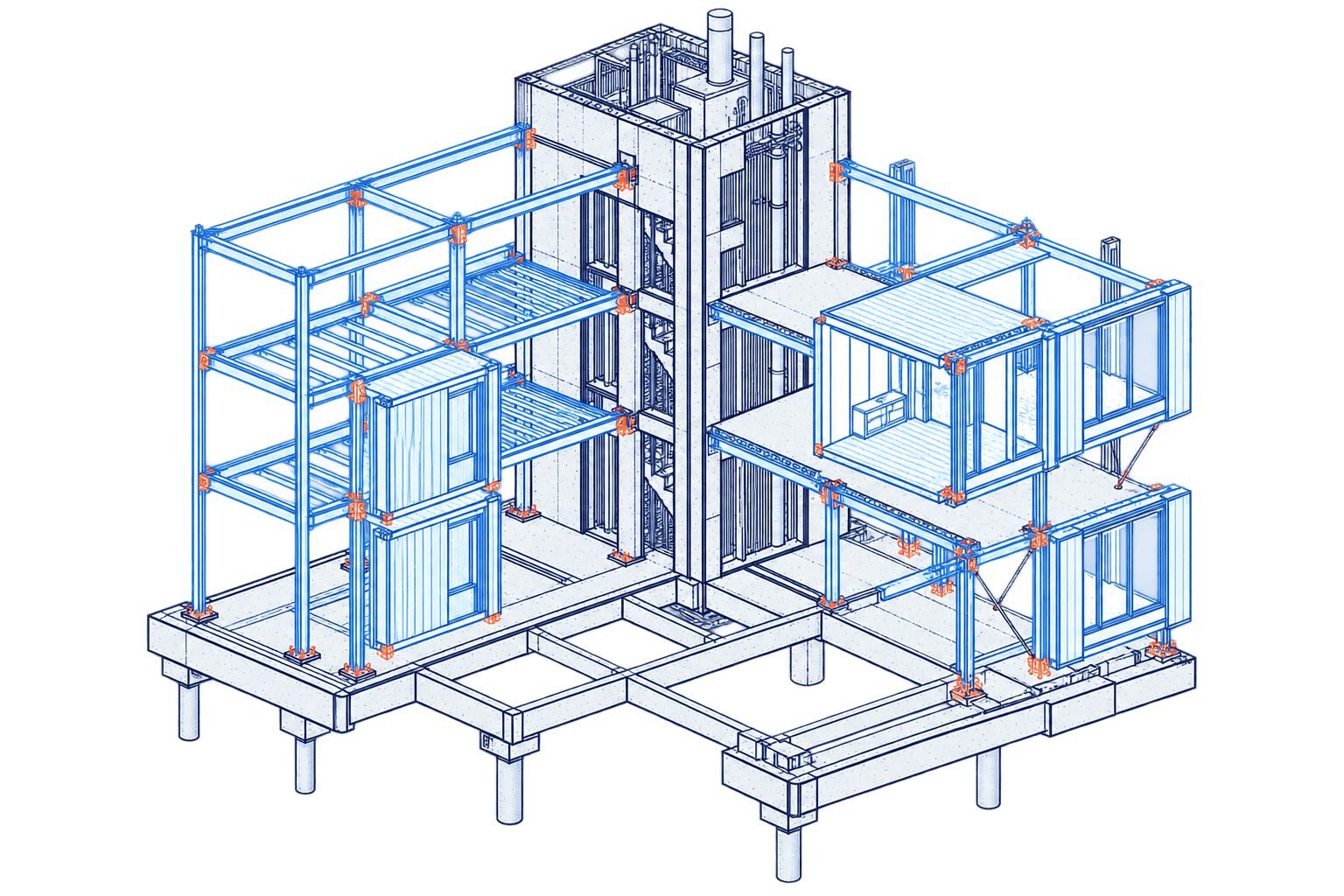
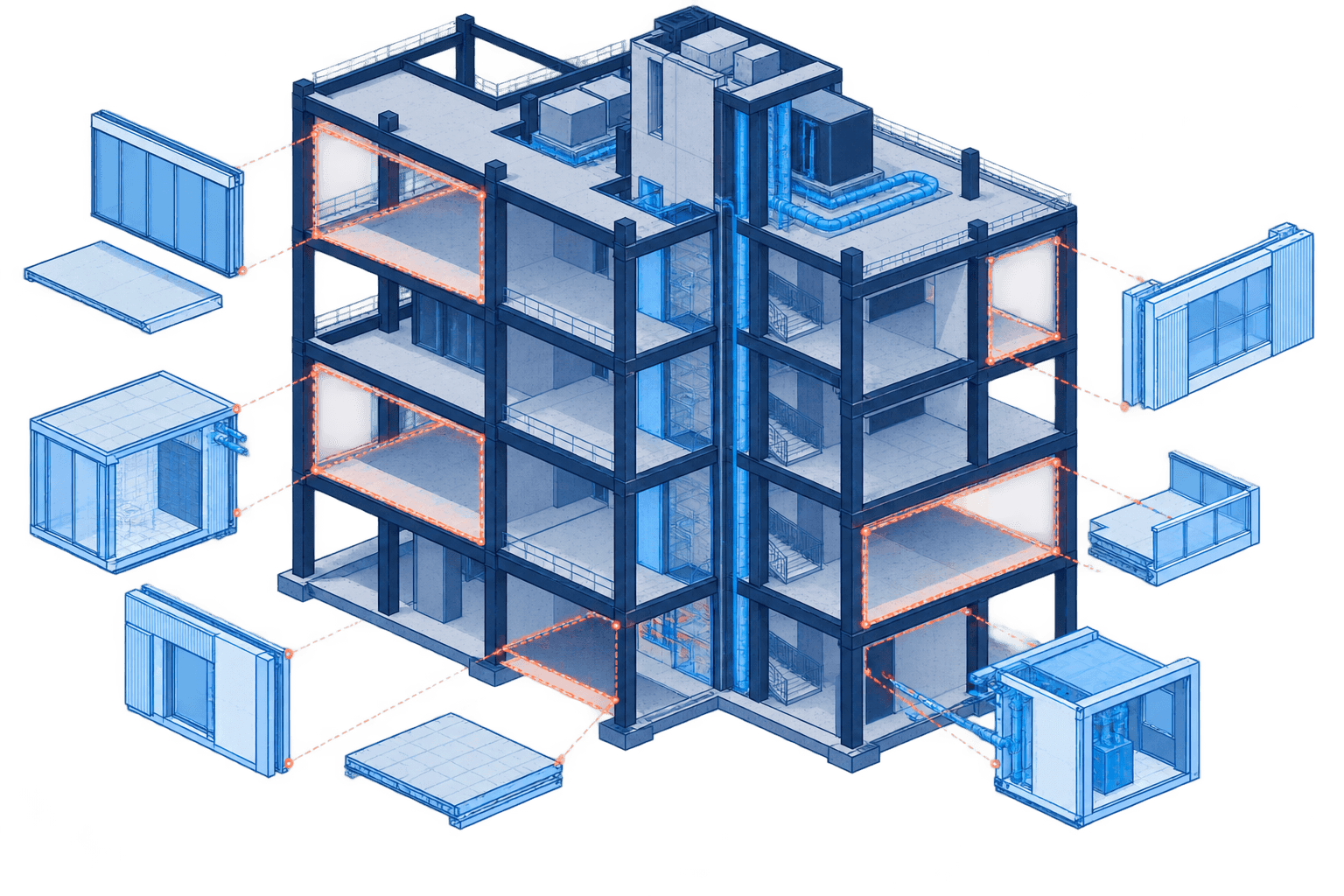
The drawing is only useful if it explains a business consequence. Switch views, then read what happens when a new company, market, or workflow enters the product.
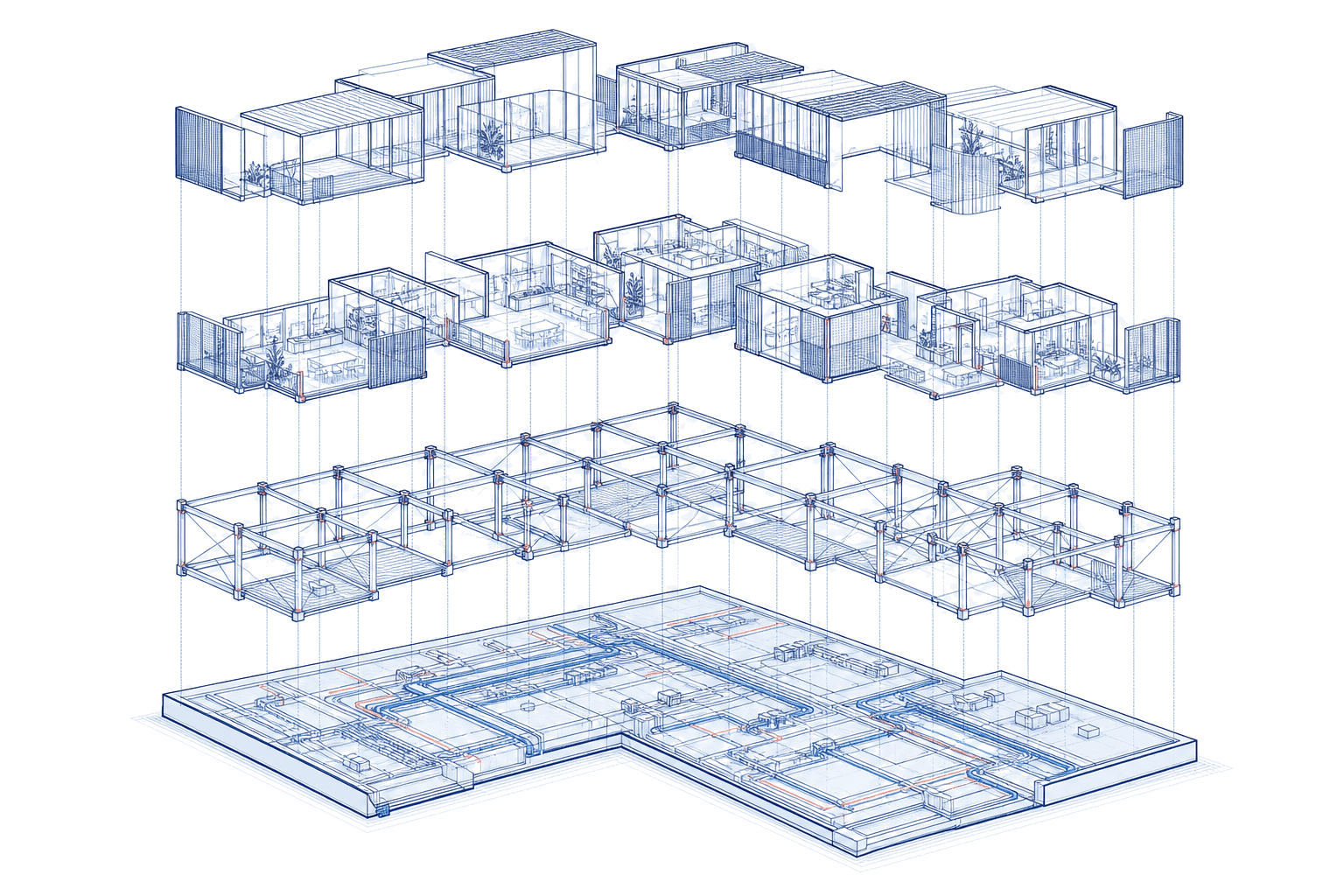
Stand up and shape another customer deployment.
Create another organization inside the shared product model.
The change may enter shared application code.
Configuration and recipes provide a defined place for variation.
The effect can cross a tightly connected application.
Blocks aim to keep domain logic and data boundaries separate.
Brand and workflow changes live in the customer-shaped product.
Fit-outs and recipes separate experience from the shared base.
The value case is stronger than a forced winner. It is also more demanding than copying one repository into the other.
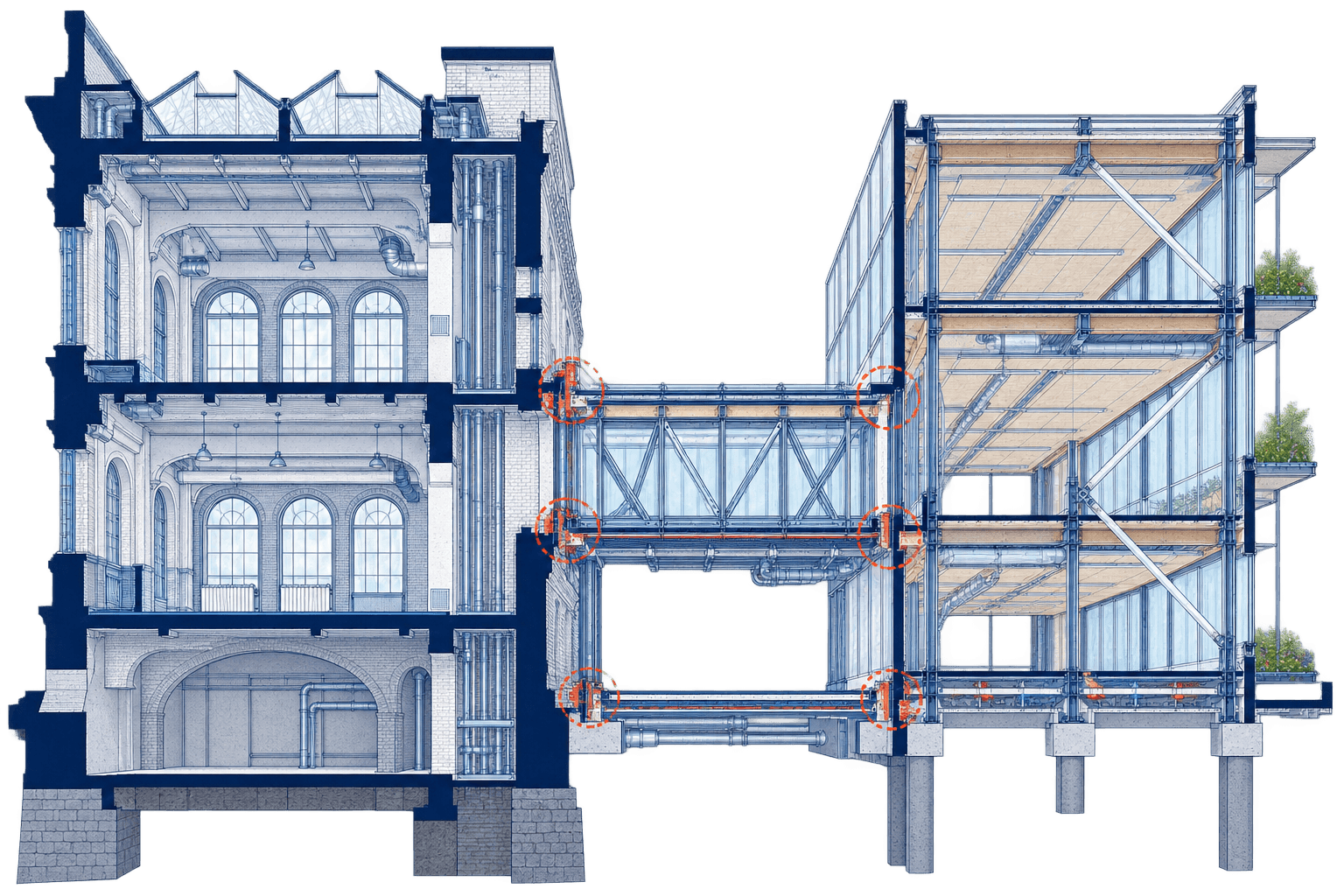
Use the working ERP to understand department flows, data needs, edge cases, and the scope customers already expect.
Test whether its tenant model, configuration system, and domain boundaries can carry the resellable SaaS product.
Specify the modules, locales, mobile app, compliance work, migration, and acceptance tests that neither repository finishes today.
No merge promise. Matching feature names do not prove that code can move cleanly. Authentication, data models, dependencies, licensing, and coupling must be checked first.
These are evidence states, not completion scores. "Not evidenced" means the repositories reviewed do not prove the requirement yet.
One organisation per deployment
Organisation-scoped records in one deployment
Structural fit in Icarus. Isolation still needs testing.Configuration exists, but customer work can enter feature code
Typed knobs, recipes, and fit-outs
Structural fit in IcarusNot traced against the SOW
Not traced against the SOW
Formal gap reviewBroad working proof
Working domain blocks
Partial in bothSome operational coverage, not the full brief
Ledger, inventory, and quote foundations, not the full brief
New scope remainsNo Arabic locale evidenced
English and Hindi today. Arabic and RTL are open
New workResponsive web, no native HR app evidenced
Web application today
New workNot evidenced as complete
Not evidenced as complete
Specialist scope and validationNext.js, TypeScript, Convex, Clerk
Next.js, TypeScript, Convex, Better Auth
Commercial and technical decisionDates come after the code and the SOW have been traced. These gates put the decisions in the right order.
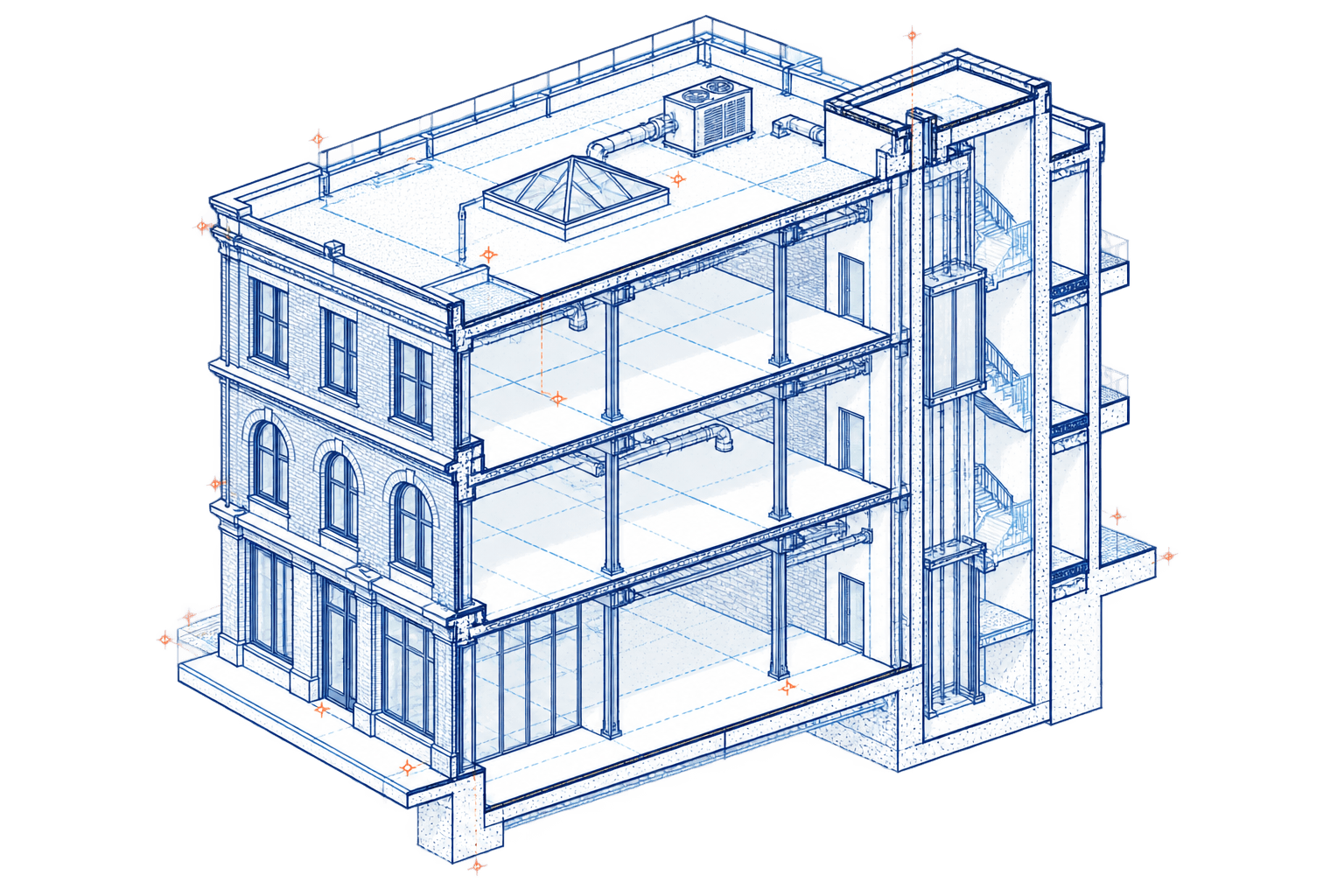
Confirm source ownership, licenses, third-party dependencies, repository completeness, and that each demo matches the code offered in the transaction.
Threat-model tenant access, test organisation-scoped queries, and decide what level of data separation the commercial product requires.
Mark each requirement as working now, suitable for adaptation, or new implementation. Decide whether the requested stack is binding.
Choose the product base. Then decide which Atlas workflows are references, which are adaptation candidates, and which should stay behind.
Treat Arabic and RTL, mobile HR, Saudi requirements, migration, security, and acceptance testing as their own workstreams.
Recommended next stepCommission a formal acquisition audit and SOW trace across both repositories. That produces the real module plan, transfer scope, risk register, and estimate basis.
Open both systems. Judge Atlas for its operational depth and Icarus for the product structure it is trying to establish.
Both demos are evidence inputs. Neither replaces code, ownership, security, or SOW diligence.